Introduction
There’s a certain magic to a perfectly cooked prime rib, a centerpiece that effortlessly elevates any occasion. For many home chefs, achieving that elusive, rosy medium-rare doneness can feel like a high-stakes culinary gamble. But fear not! With the right approach and crucial temperature guidance, you can confidently carve into a succulent, flavorful roast every time. We’re here to unlock the secrets to a prime rib that’s tender, juicy, and boasts that coveted vibrant pink hue from edge to edge.
Ingredients

The star of our show is a high-quality prime rib roast, preferably bone-in for maximum flavor and insulation. For a 4-6 pound roast, you’ll need generous coarse kosher salt and freshly cracked black pepper. Beyond these, consider minced garlic, fresh rosemary, or thyme for an aromatic crust. The most vital “ingredient” isn’t edible: a reliable instant-read meat thermometer and a leave-in probe thermometer. These tools are your assurance for precision and perfection.
Step-by-Step Instructions

Begin by bringing your prime rib to room temperature for 2-3 hours; this promotes even cooking. Pat the roast completely dry, then generously season all surfaces with salt, pepper, garlic, and herbs. For a stunning crust, consider a quick sear in a hot pan before roasting, or place it on a rack in a roasting pan. Preheat your oven to 450-500°F (232-260°C). Roast for 15-20 minutes to develop that beautiful sear, then reduce the oven temperature to 325°F (163°C). Insert your leave-in probe thermometer into the thickest part, avoiding bone. For medium-rare, aim for an internal temperature of 120-125°F (49-52°C) in the oven. Cooking time varies, generally expect 15-20 minutes per pound at the lower temperature.
Expert Tips
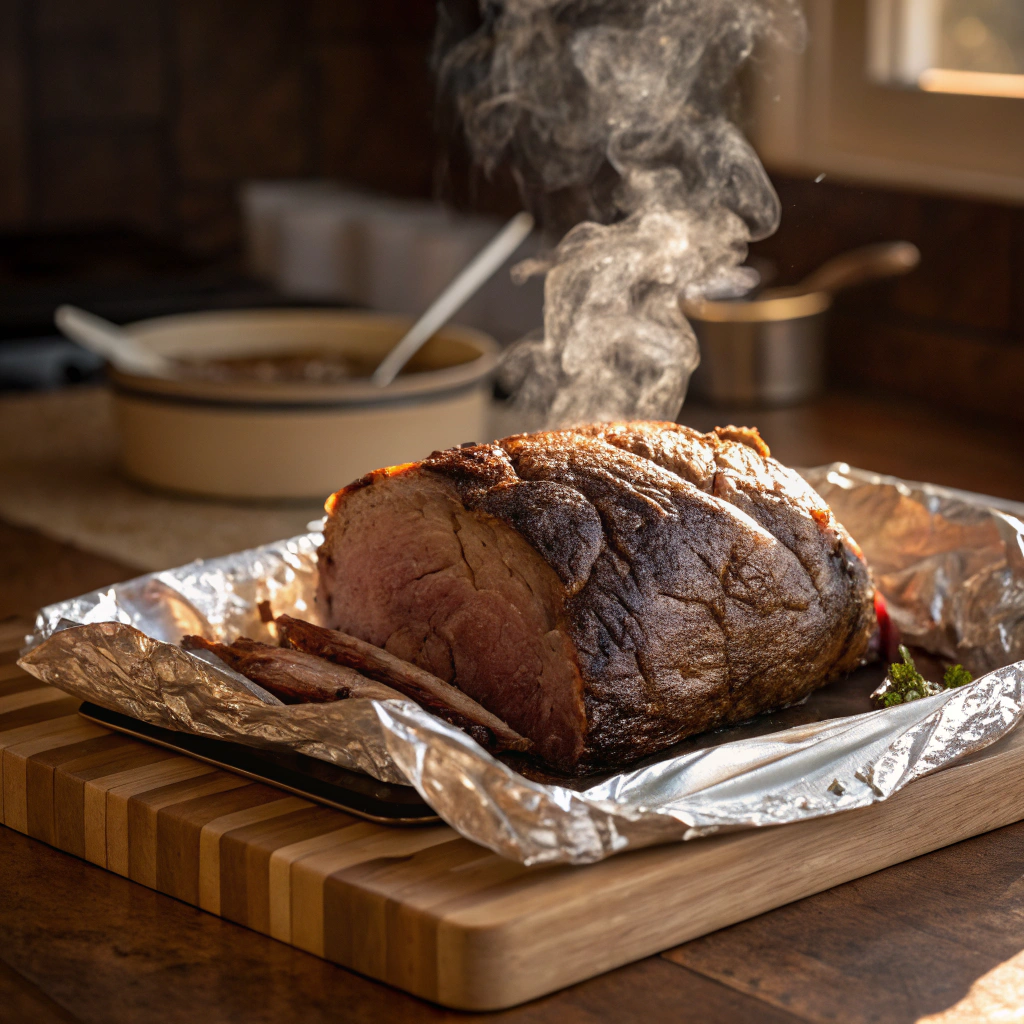
Prime rib perfection doesn’t end when it comes out of the oven. The most critical step is the rest. Once your roast reaches the target temperature, remove it, tent loosely with foil, and let it rest for a full 20-30 minutes, or longer for larger roasts. During this crucial period, the internal temperature will continue to rise by 5-10 degrees (carryover cooking), and juices will redistribute, ensuring unparalleled tenderness and moisture. Avoid cutting early! For carving, use a sharp knife and slice against the grain for the most tender bites. Consider a reverse sear method for even greater control over doneness, roasting at a low temperature first, then finishing with a high-heat blast.
Variations
While classic salt, pepper, and herbs are sublime, experiment with your rub. A mustard-based rub adds a delightful tang, while a coffee rub offers deep, savory complexity. For those who prefer different doneness, aim for 125-130°F (52-54°C) for rare, or 130-135°F (54-57°C) for a true medium, remembering carryover cooking. The principles of resting and precise temperature remain paramount.
Conclusion
Preparing a medium-rare prime rib doesn’t have to be intimidating. By understanding the science of temperature, trusting your thermometers, and embracing the crucial resting period, you’re well on your way to crafting a truly spectacular meal. Imagine the awe as you present a perfectly roasted, glistening prime rib, each slice revealing that stunning, juicy medium-rare interior. This isn’t just cooking; it’s creating unforgettable culinary memories, one magnificent roast at a time.